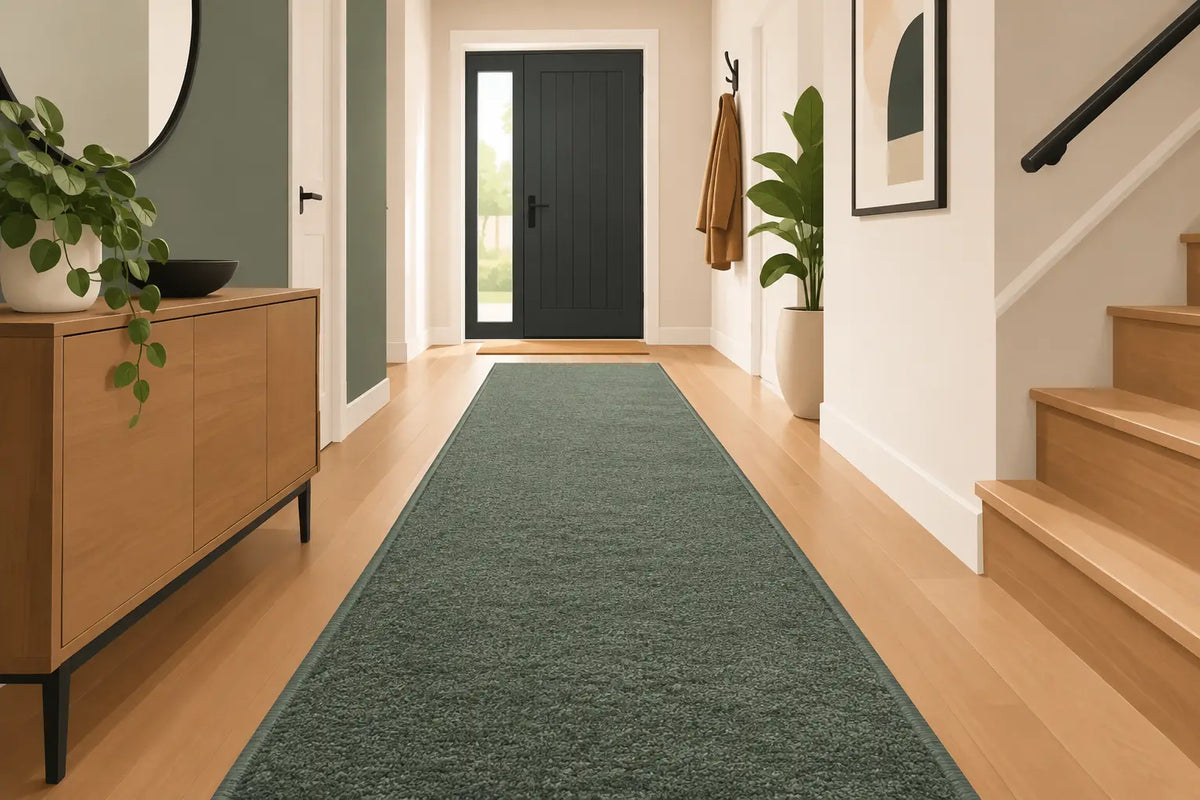
A hallway has to withstand a lot every day: wet shoes, grains of sand, schoolbags, and a dog enthusiastically rushing inside. Yet it is also the first space you and your guests see. The best hallway runners therefore combine an attractive appearance with grip, durability, and easy maintenance. With the right runner, your entrance immediately feels warmer, while your floor stays better protected.
Why a runner makes such a difference in the hallway
A bare entrance can quickly sound cold and look restless. A runner literally and figuratively brings a soft line to the space. It guides the eye inward, softens hard floors such as tile, parquet, or laminate, and gives even a narrow corridor more character.
A hallway runner is at least as valuable from a practical perspective. It catches dirt and moisture before they spread throughout the rest of your home. That is useful for busy families, pet owners, and anyone who wants to keep their floor looking beautiful. However, do not choose based only on color or pattern: the material, finish, and size determine whether your runner will still look good after heavy use.
Best hallway runners: what to look for
There is no single model that is the best choice for every entrance. A long, narrow townhouse requires something different from a spacious family home with a wide entrance. In practice, these four qualities make the biggest difference.
1. Choose a size that lets the space breathe
Measure your hallway before falling in love with a design. A runner should emphasize the length of the corridor without covering the entire floor. Ideally, leave around 10 to 20 centimeters of visible floor along both long sides. This keeps the overall look neat and prevents the space from appearing cramped.
In a long corridor, a 67 x 230 cm, 80 x 250 cm, or 80 x 300 cm runner often works beautifully, depending on the available length. Is your entrance more compact and rectangular? Then a smaller area rug may sometimes be better than a long runner. Also make sure doors can open smoothly. For a front door or cupboard door, a low-pile model is usually the most sensible choice.
2. Prioritize safety with a non-slip backing
A runner that moves around is annoying and can be dangerous, especially when children run through the hallway or when shoes are wet. A runner with a non-slip backing stays in place better and provides more security on smooth floors. Do you already have a favorite model without a non-slip backing? Then use a high-quality non-slip underlay that is slightly smaller than the rug itself.
Also check that the runner lies completely flat. Curled corners, a pile that is too thick, or a backing that does not sit properly increase the risk of tripping. A low-pile runner with a sturdy, flexible finish is a comfortable and safe solution for most entrance halls.
3. Choose a material that can withstand daily life
A hallway rug does not need to be high-pile and fluffy to look cozy. On the contrary: short, dense fibers are often easier to clean and hold less dirt. Synthetic materials such as polypropylene and polyester are popular choices because of their colorfastness, softness, and easy maintenance. They are particularly practical in an entrance where moisture and street dirt regularly come inside.
A washable low-pile runner is an excellent choice for young families and pet owners. A muddy trail or spilled drink does not have to become a permanent stain. Always follow the care instructions, however: not every size fits in a standard washing machine, and some models look their best with gentle cleaning.
Wool offers a richer, natural appearance and feels wonderful underfoot, but it generally requires more care. In a quiet hallway, it can be a beautiful investment. In a heavily used family entrance, an easy-care synthetic runner is often the more carefree choice.
4. Think carefully about color and pattern
A completely light-colored runner makes a dark entrance look larger and fresher, but it shows dirt more quickly. A very dark runner is more forgiving, although dust or light-colored hairs may be more visible on it. That is why mottled shades, subtle designs, and patterns with multiple colors are so suitable for hallways. They add depth to your interior and make small signs of daily use less noticeable.
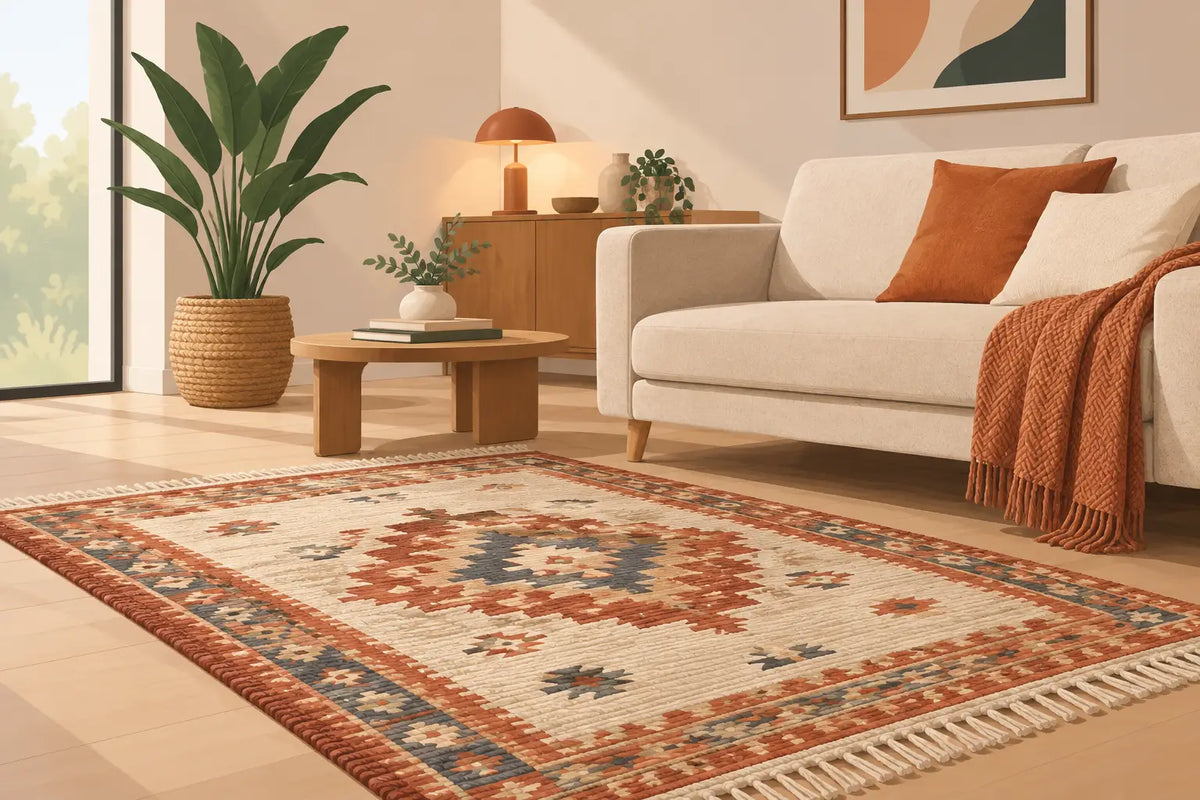
Beige, sand, taupe, and gray bring a sense of calm to a modern entrance. Terracotta, ocher, or warm brown tones make the space inviting and pair beautifully with wood, black metal, and natural stone. Would you like to give your hallway more personality? A classically inspired pattern or a colorful kilim look immediately creates a strong first impression without requiring you to change the entire space.
Which style suits your entrance?
A runner can be functional, but it should also feel as though it belongs in your home. Therefore, look not only at the hallway itself, but also at the rooms it connects to. The right choice creates a pleasant transition between outside and inside.
Modern and calm
For a sleek interior, neutral runners with a fine geometric pattern, a soft texture, or a tone-on-tone design work particularly well. They add warmth without making the space feel busy. For example, combine greige, cream, or anthracite with light walls and wooden accents for a calm, timeless entrance.
Classic and full of character
Does your home have high ceilings, authentic doors, or a more classic interior? Then your runner can tell a richer story. A traditional pattern in red, blue, beige, or deep green immediately gives your hallway an elegant appearance. Another advantage of a detailed design is that it handles the visual effects of daily use well.
Warm and natural
Those who love a cozy, soft interior style often choose earthy tones, a woven look, or a kilim-like texture. These runners pair beautifully with rattan, oak, and linen, while also bringing extra warmth to a newly built home. With a coarse texture, pay attention to the direction of the pile and how the runner will be used: in a very busy hallway, a flatter woven model is easier to maintain.
How to keep your hallway runner looking beautiful
Regular maintenance takes little time when you do it consistently. Vacuum the runner at least once a week, and more often if you have pets or children. Vacuum gently in the direction of the pile and do not forget the edges. Shake out loose dirt outdoors whenever possible.
Preferably wipe away mud or moisture immediately before it penetrates deep into the fibers. Blot stains with a slightly damp cloth and do not use aggressive products without first testing them on an inconspicuous area. With a washable model, it is useful to place a second, small mat by the front door. It catches the coarsest dirt, helping your beautiful runner stay fresh for longer.
Turn your runner halfway around occasionally, especially when one side receives more foot traffic. This helps it wear evenly and keeps the color balanced for longer. Also regularly check the non-slip backing or underlay, as sand and dust can reduce its grip.
A runner that makes your home feel welcoming
The right hallway runner does not need to make a loud statement to make an impression. It softens those first steps into your home, protects your floor, and gives your entrance a neat appearance that feels pleasant day after day. At Omid Carpets, you will find models that combine comfort, color, and practicality, from calm low-pile runners to designs with more character.
Get out your tape measure, take an honest look at how intensively your hallway is used, and then choose a design that makes you happy the moment you come home. That small piece of fabric can transform your entire welcome.

Leave a comment
This site is protected by hCaptcha and the hCaptcha Privacy Policy and Terms of Service apply.