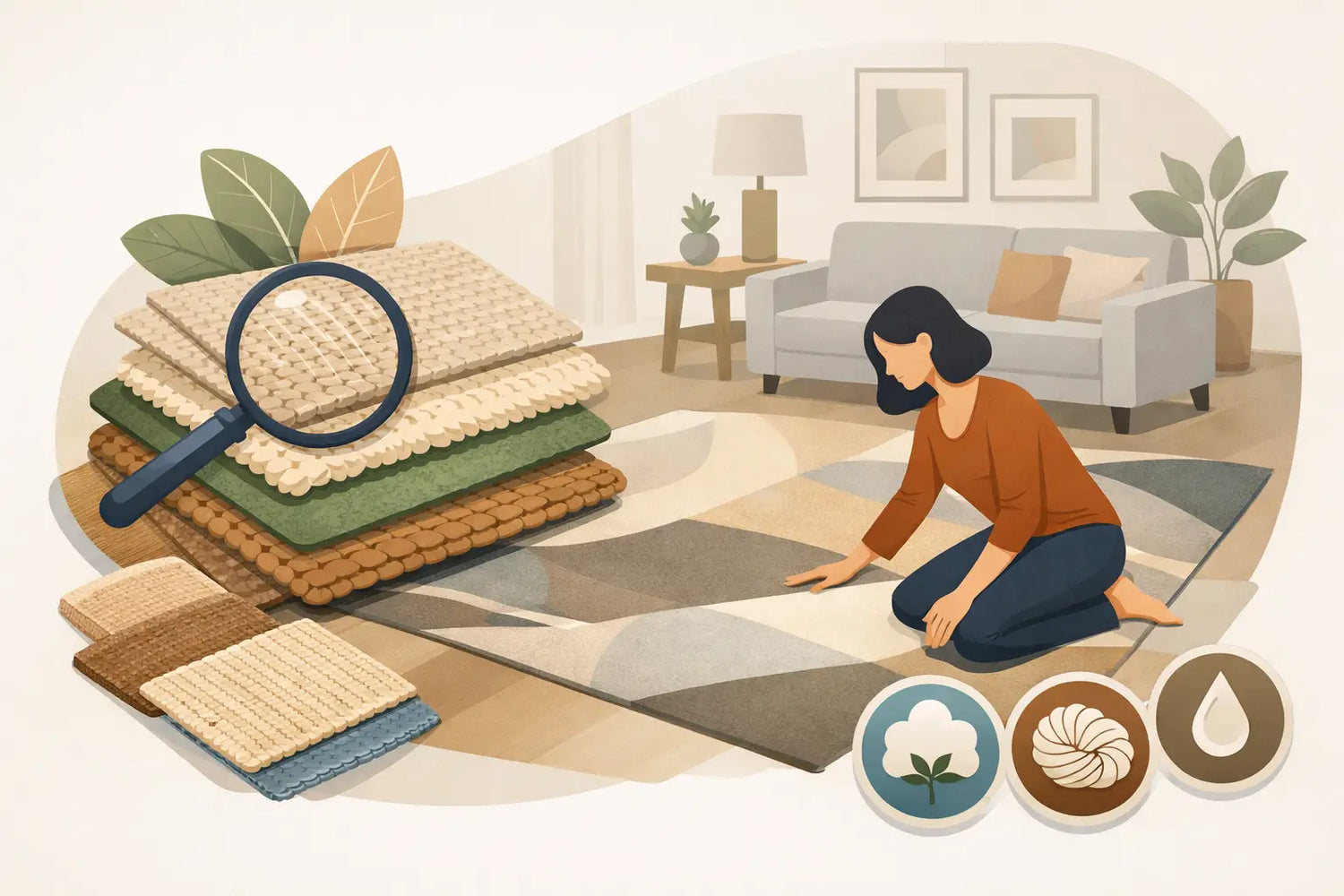
A rug can make or break a room. It feels soft underfoot, dampens sound, and brings warmth to the home, but the wrong material can quickly disappoint. Those looking for the best materials for rugs should therefore choose not only based on color or pattern but also on how and where the rug will be used.
In a quiet bedroom, you have different requirements than in a busy living room where children play, chairs slide, and shoes aren’t always taken off at the door. That’s exactly why it’s worth taking a moment to consider the material. It determines not only the appearance but also the comfort, durability, and how much maintenance it requires.
Best materials for rugs by living situation
There is no one material that is best everywhere. The right choice depends on your interior, family situation, and expectations. If you mainly want softness, you often end up with different fibers than when you’re looking for a low-maintenance rug for under the dining table.
For families, practical convenience is often decisive. In that case, synthetic materials are particularly interesting. Those who value a natural, luxurious look more often turn to wool or cotton. Both directions have their strengths but also clear differences.
Wool for warmth and class
Wool remains one of the most beloved choices for rugs, and for good reason. The material feels rich, has a beautiful natural resilience, and stays looking good for a long time, even with intensive use. A wool rug immediately gives a living room or bedroom a warmer and more polished appearance.
Wool also scores highly in terms of comfort. It feels soft and is naturally insulating, which is especially pleasant on cold floors. Additionally, wool has a dirt-repellent property, so light soiling penetrates the fiber less quickly than many people think.
There is one caveat. Wool rugs are often more expensive to purchase and require a bit more attention in maintenance. Those looking for a very easy-to-wash rug for a busy family life may not always find wool the most practical material.
Polypropylene for busy families
Polypropylene is one of the most popular materials for modern rugs, especially in homes where convenience is important. The material is strong, colorfast, and generally affordably priced. This makes it a smart choice for living rooms, dining rooms, and playrooms.
A big advantage is maintenance. Polypropylene absorbs little moisture and is easy to keep clean. For families with children or pets, this is often a decisive plus. It’s also a good option for those who want a soft, low-pile rug without much worry.
The appearance of polypropylene has improved significantly in recent years. Where synthetic rugs used to look somewhat flat, today there are very nice qualities with a full look and pleasant feel. Still, the difference with high-quality natural fibers remains noticeable if you’re looking for pure luxury.
Polyester for softness and color
Polyester is especially interesting for those who love a soft and cuddly rug. The material is often used in cozy high-pile models and feels very comfortable. This is a strong advantage in bedrooms and seating areas.
Additionally, polyester holds color well. This makes it suitable for rugs with deep shades, subtle nuances, or bold patterns. If you’re looking for a decorative accent that also feels pleasant, polyester is often a good candidate.
There are differences in quality, however. Some polyester rugs are very comfortable but show wear marks or flattened fibers more quickly. For a high-traffic area, it’s best to choose a sturdily finished model and not just base your choice on softness.
Cotton for airy, informal spaces
Cotton rugs fit well in homes where a light, accessible atmosphere is important. They often look casual and fresh and are particularly suitable for bedrooms, children’s rooms, or a reading nook. In many cases, they are also easier to handle because they are lighter.
The practical advantage of cotton lies in its simplicity. Especially for smaller sizes, many people choose cotton because it’s easy to move and sometimes even washable. This makes it attractive for those who like to change things up or quickly need a solution for a specific space.
However, cotton is usually less durable than wool or strong synthetic fibers. In a heavily used living room or under a dining table, it will show signs of wear more quickly. It’s therefore mainly a good choice when comfort and lightness weigh more than maximum durability.
Viscose for a luxurious sheen
Viscose is often chosen because of its elegant shine and soft surface. It gives a rug a refined, almost silky appearance and works especially well in stylish living rooms or spaces where atmosphere is key.
Those who choose viscose mainly choose for appearance. The material catches light beautifully and adds depth to solid colors. In an interior with soft colors, rounded shapes, or a more chic finish, this can be very effective.
But viscose requires caution. The material is more sensitive to moisture, stains, and heavy use. For a family with young children or a place where spills happen often, there are usually better options.
How to choose the best material per room?
The living room usually requires a balance between comfort, appearance, and durability. Wool, polypropylene, and quality polyester often perform well here. Which of the three is best depends on your priorities. If you seek warmth and a rich feel, wool wins. If you mainly want ease of use and a sharp price, polypropylene is hard to beat.
In the dining room, maintenance is almost always the decisive factor. Crumbs, shifted chairs, and spilled glasses are part of daily life. Here, low-pile and easy-to-clean materials are usually the safest choice. Synthetic fibers are often more practical than natural alternatives.
Bedrooms may feel softer and warmer. High-pile polyester rugs or a comfortable wool carpet add extra coziness there. In children’s rooms, safety and ease of maintenance count. A washable or low-maintenance rug with a stable position is often the best choice.
Best materials for rugs when maintenance is important
Those who want to spend little time on maintenance should choose very consciously. Not every beautiful rug suits a busy household. This is especially true in homes where life happens, with children, visitors, pets, and daily activity.
Synthetic materials like polypropylene and polyester are particularly interesting then. They are often easy to vacuum, less prone to stains, and retain their color for a long time. For low-pile models, dust and dirt also stay less deep between the fibers.
Natural materials have their own charm but usually require a bit more care. Wool is still relatively forgiving, while viscose is less suitable for those seeking a carefree rug. Cotton can be handy in lighter applications but is not always the most durable choice in busy areas.
Those who want to combine comfort, ease of maintenance, and an affordable price often find collections specially made for daily use. Think of soft low-pile rugs, models with an anti-slip backing, or versions that are extra practical in family homes. For many Belgian families, that’s the difference between looking good in the showroom and truly being convenient at home.
Don’t just look at the material, but also at the finish
Even the best material doesn’t perform well if the finish isn’t right. Pile height, density, and backing structure play a big role in how a rug feels and performs. For example, a low-pile polypropylene rug can be perfect for the dining room, while a high-pile polyester version fits better in a cozy bedroom.
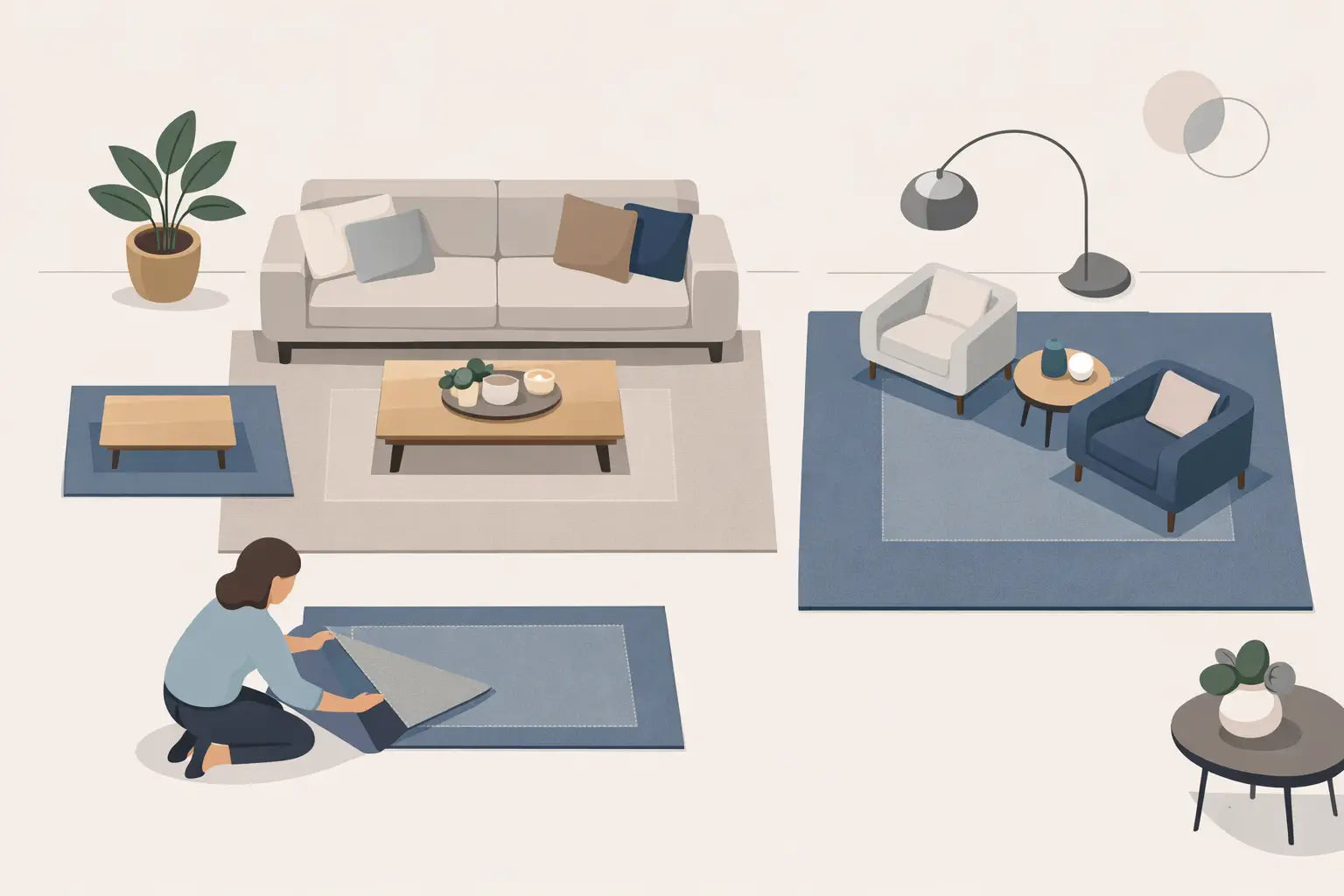
The underside also deserves attention. A rug that stays in place feels safer and looks neater. This is especially important on smooth floors. That’s why many customers today look not only at style and material but also at practical extras that make daily use more pleasant.
At Omid Carpets, we notice that customers mainly look for that smart combination: a rug that looks beautiful, feels soft, and remains manageable in maintenance. That’s not a luxury but simply a wise choice for a home where comfort and atmosphere go hand in hand.
If you’re torn between two materials, it’s best not to choose with your eyes alone. Think about the room, the use, and how much convenience you want in daily life. The right rug not only feels good when you first see it but also months later, when it has truly become part of your home.

Leave a comment
This site is protected by hCaptcha and the hCaptcha Privacy Policy and Terms of Service apply.