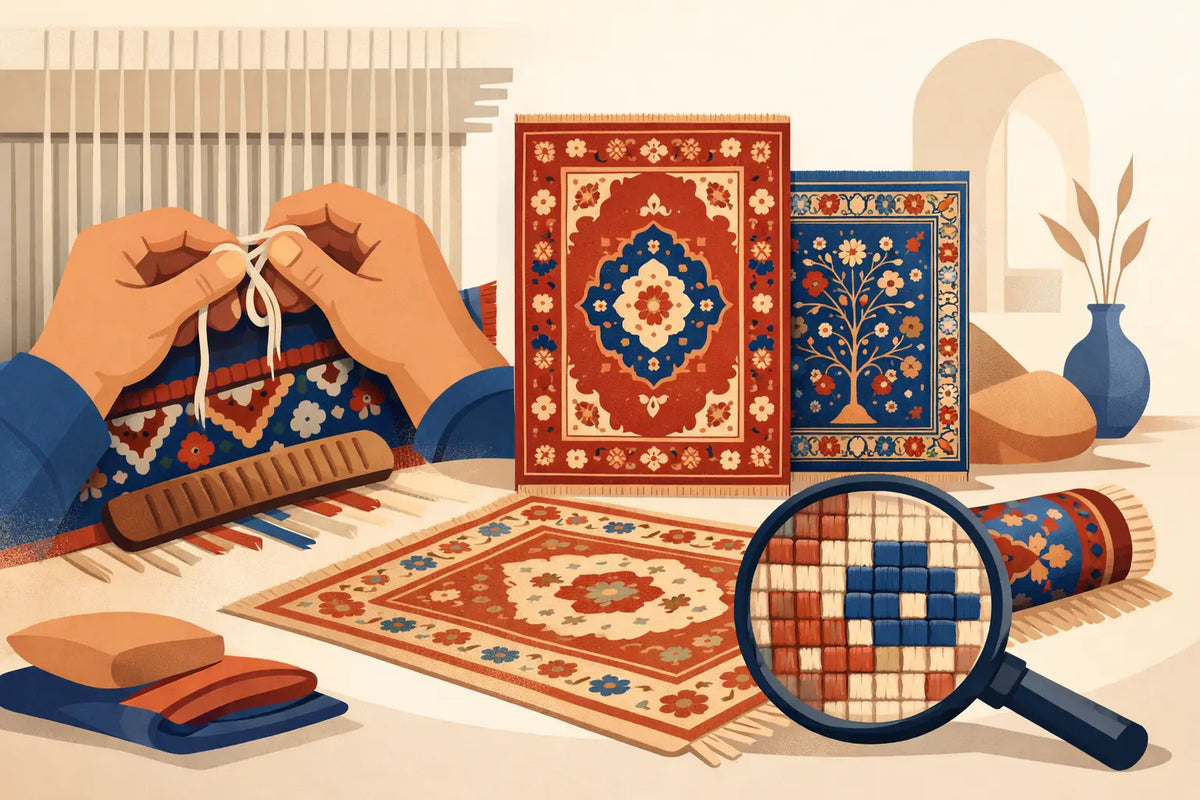
A hand-knotted oriental rug is much more than just a beautiful floor covering. It brings color, texture, and a tangible story into your home. With this guide to hand-knotted oriental rugs, you’ll discover what to look for when choosing one, why each piece is unique, and how to enjoy a rug that adds warmth and character to your interior for years to come.
What makes an oriental rug hand-knotted?
In a hand-knotted rug, each pile knot is tied by hand around the warp threads. This is a patient craft where experienced weavers sometimes work for months, and in the case of large or particularly fine rugs, even longer, on a single piece. After knotting, the rug is sheared, washed, and finished. This gives the wool its soft sheen and brings the patterns beautifully to life.
You can see this craftsmanship not only in the appearance but also in the small differences. A subtle color variation, a slightly irregular line, or a charming detail in the pattern are all part of it. These make a hand-knotted rug not an anonymous mass product, but a unique piece with its own character.
The term oriental refers to a rich rug tradition from regions including Persia, Afghanistan, Turkey, the Caucasus, and Central Asia. Each area has its own colors, motifs, and knotting techniques. For example, a refined Persian floral design creates a very different atmosphere than a bold geometric Afghan pattern.
Guide to hand-knotted oriental rugs: how to choose well
The best choice doesn’t start with a color swatch but with the room itself. Look at the light, the furniture, and especially how you use the space. In a calm, modern living room, a classic rug with a detailed design can add depth. In an interior with lots of color and striking furniture, a softer, less busy pattern often brings more balance.
First choose the right size
A rug that’s too small makes a seating area look disconnected and incomplete. In the living room, ideally choose a size where at least the front legs of the sofa and armchairs rest on the rug. This way, the furniture forms one cozy whole. For a large corner sofa, a spacious rug usually works better than a small one placed only under the coffee table.
Under a dining table, enough margin is essential. Allow about 60 to 70 centimeters extra around the table so chairs remain on the rug even when pulled out. For the bedroom, a large rug under the bed gives a luxurious feel, while two smaller runners beside the bed offer a practical and warm solution.
Measure carefully beforehand and, if needed, mark the size with painter’s tape. This simple trick immediately shows how much space the rug will take and prevents doubts when purchasing.
Match material and use
Wool is the classic choice for hand-knotted oriental rugs. It feels comfortable, is naturally resilient, and has a beautiful, lively appearance. Thanks to the natural fibers, small signs of daily use often show less than you might expect. A wool rug is therefore perfect for a living room, bedroom, or reading nook.
Some rugs combine wool with silk. Silk adds a refined sheen and makes details stand out sharply. This makes such a rug a real eye-catcher but also somewhat more sensitive to heavy use and stains. For a busy family room, a fully wool rug is often the most carefree choice. In a quiet lounge or bedroom, wool-silk can be a stylish added value.
Cotton is often used for the foundation or warp. It provides strength, while the wool or silk forms the visible pile. The choice of materials thus determines not only the look but also the comfort, durability, and maintenance.
Look beyond the knot count
A high knot density can indicate a finely detailed pattern but is not the only quality indicator. The quality of the wool, the uniformity of the knotting, the finishing of the edges, and the harmony of the colors also matter. A coarser knotted nomadic rug can be just as valuable and atmospheric as a very fine classic rug—just telling a different story.
Check the back of the rug. You’ll see the pattern there as well, though less sharply than on the front. The knots should not look perfectly machine-made. It’s precisely the human hand behind the work that gives an authentic rug its liveliness. If the rug also feels sturdy yet flexible and lies flat, these are good signs.
Colors and patterns that suit your interior
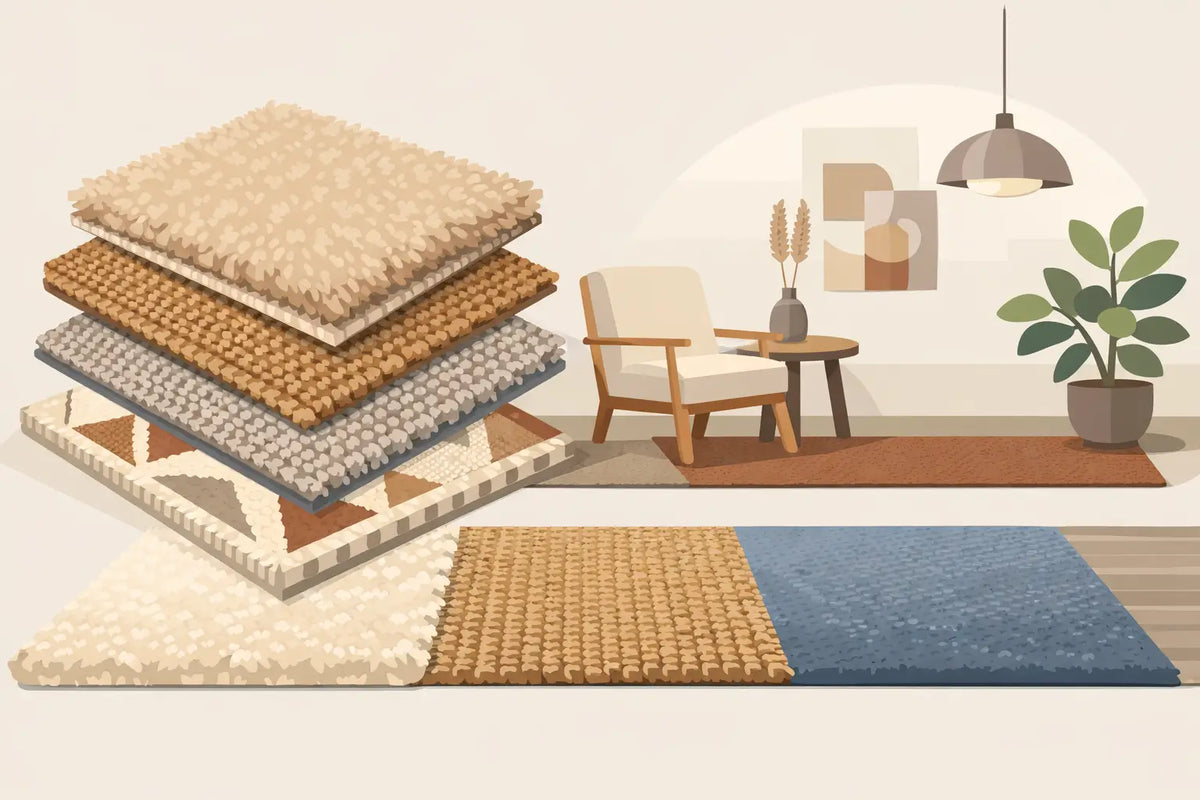
A hand-knotted rug doesn’t always have to be dark red or deep blue, although those timeless colors remain beautiful in classic interiors. Soft sand tones, ivory, gray-green, terracotta, and muted blue fit perfectly in contemporary Belgian homes. They add warmth without making the space feel heavier.
Those who love a bold interior can choose deep jewel tones like saffron, midnight blue, or burgundy. This way, the rug becomes the visual heart of the room. If you already have a sofa with a striking fabric or lots of art on the walls, choose a calmer design with colors that echo your existing interior.
The intensity of the pattern also matters. A rich medallion in the center gives a formal, classic look. All-over patterns, where the design runs across the entire surface, often appear calmer and are easier to combine with different furniture arrangements. Geometric motifs suit a natural, modern, or bohemian interior beautifully.
Why a hand-knotted rug is a conscious purchase
The price of a hand-knotted oriental rug is generally higher than that of a machine-made carpet. This difference comes from hours of craftsmanship, quality materials, and unique finishing. Still, it’s wise not to look only at the purchase price. A well-chosen wool rug can stay beautiful for years and often adapts with changes in your interior.
A hand-knotted rug is also surprisingly versatile. If you move to another home later or change your sofa, a timeless pattern and balanced color combination often fit again. It’s precisely that durability, both in material and style, that makes the purchase worthwhile.
Authenticity does require honest advice. Origin, materials used, and finishing can vary greatly per piece. At Omid Carpets, we’re happy to help you feel the difference and choose a rug that suits your taste, space, and daily life.
Care without worries
With the right care, a hand-knotted rug stays beautiful for a long time. Vacuum regularly on a gentle setting and without a rotating brush, especially near delicate fringes. Dust and sand act like fine abrasives in the fibers. Regular vacuuming keeps the pile looking fresh.
If something spills, blot the stain immediately with a clean, slightly damp cloth. Do not rub, as this pushes dirt deeper into the fibers and can damage the pile. Avoid harsh cleaning agents or excessive water. For stubborn stains like wine, coffee, or pet accidents, professional cleaning by a specialist is the safest choice.
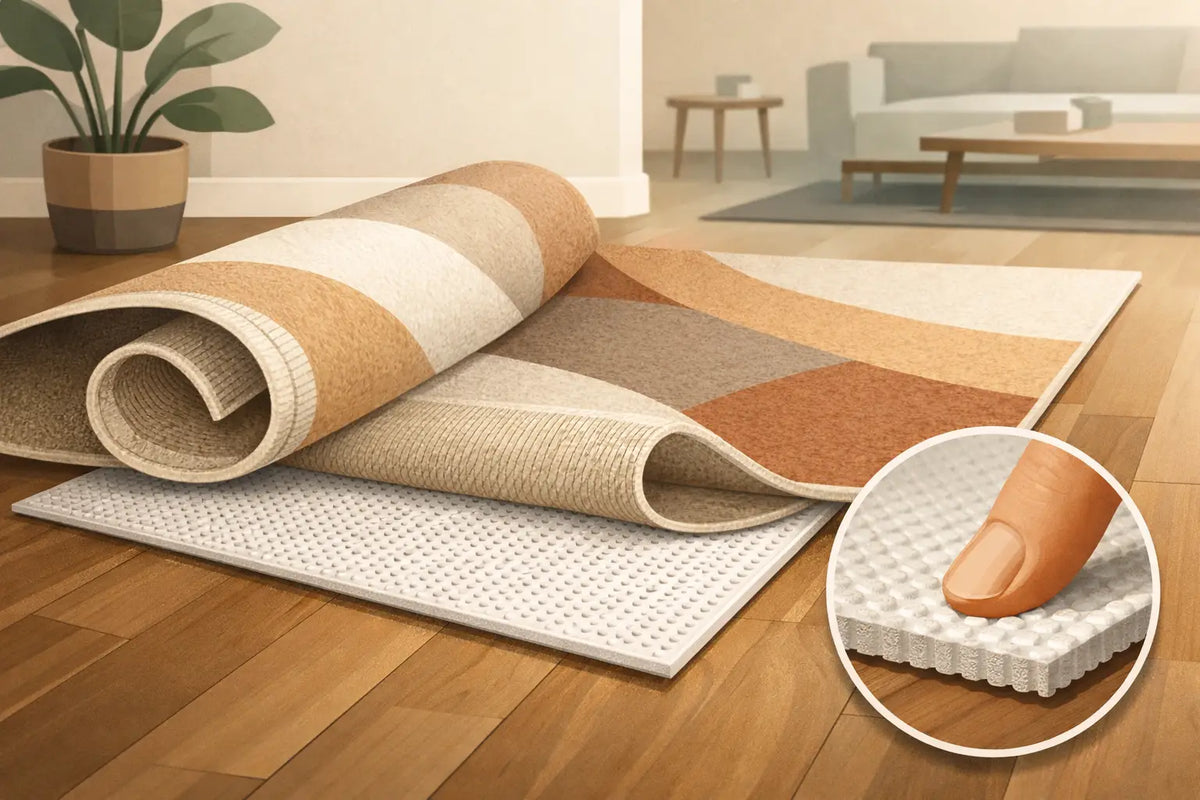
Rotate the rug half a turn once or twice a year if there is a lot of sunlight or if one walking area is heavily used. This helps the rug fade and wear more evenly. An anti-slip underlay is also a smart addition: it prevents slipping, increases walking comfort, and helps keep the rug flat.
A rug that truly lives with you
You don’t choose a hand-knotted oriental rug with your eyes alone. Feel the wool, examine the pattern in daylight, and imagine how it fits into your daily life: playing children, a cozy aperitif evening, or bare feet on a cold morning. When size, material, and atmosphere are right, it becomes not just a decoration on the floor but a warm part of your home.

Leave a comment
This site is protected by hCaptcha and the hCaptcha Privacy Policy and Terms of Service apply.