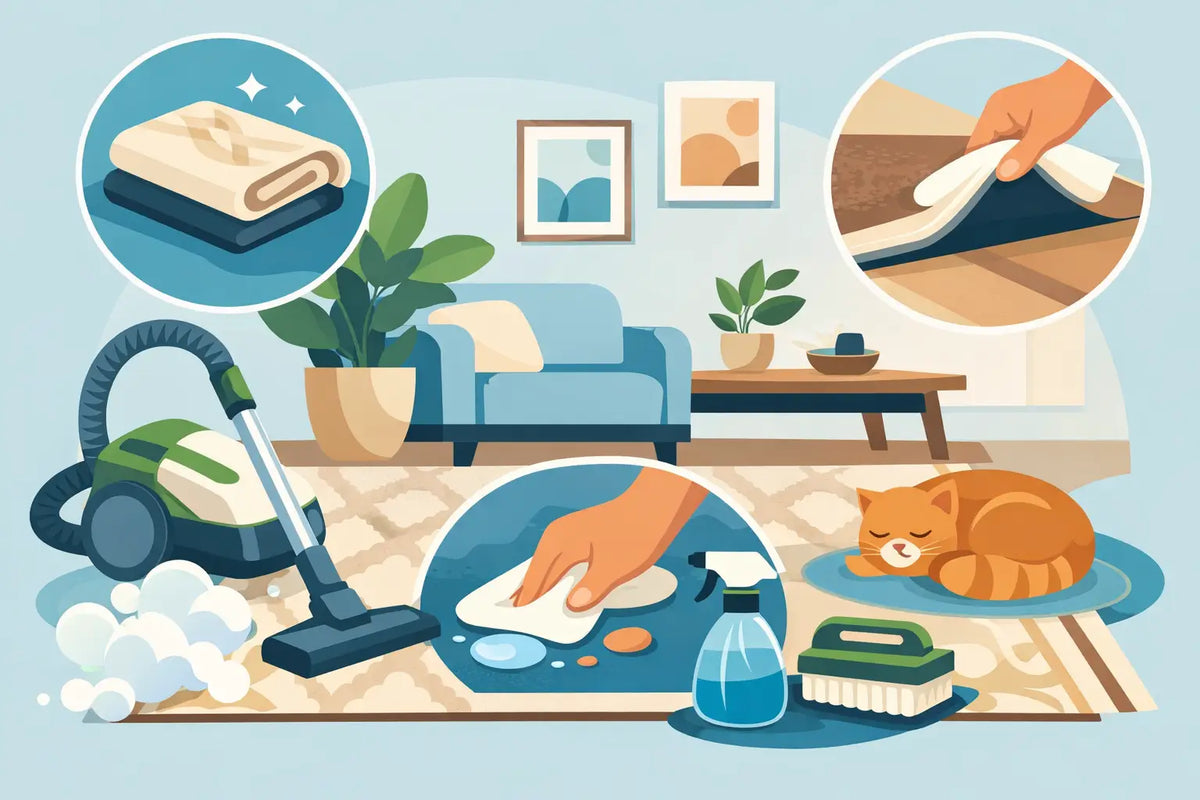
A beautiful rug instantly makes a room warmer, quieter, and cozier. But anyone with children, pets, guests, or simply a busy family life knows that beauty also needs to be practical. With this guide to low-maintenance rugs, you can choose a carpet that adds atmosphere without every crumb, stain, or paw print causing worry.
The right rug doesn’t have to be delicate. On the contrary: modern materials, smart weaving techniques, and washable options make it possible to enjoy a soft, stylish floor without intensive upkeep. The best choice depends on the room, usage, and your own living rhythm.
What makes a rug low-maintenance?
Ease of maintenance isn’t about one detail but a combination of material, pile height, color, and finish. For example, a low-pile rug is easier to vacuum than a high-pile model because dust, hair, and small crumbs don’t sink as deeply between the fibers. This makes low-pile carpets especially suitable for the living room, dining room, hallway, or a home with a lot of daily activity.
Synthetic fibers like polypropylene and polyester are also popular in practical interiors. They feel pleasant, are often colorfast, and can handle accidents well. Many stains remain on the surface longer, allowing you to act quickly with a damp cloth. So if you’re mainly looking for comfort, you don’t automatically have to choose a hard-to-maintain wool carpet.
A washable rug offers even more peace of mind. For selected models, depending on size and washing instructions, the rug can be machine washed or professionally cleaned. This is especially handy in a child’s room, at the dining table, or in a home where a dog or cat is part of the family. Always check the care label: not every large rug fits in a regular household washing machine.
The back side also deserves attention. A non-slip backing helps keep the rug in place and reduces the risk of slipping. In a busy passageway, on a smooth tile floor, or in a child’s room, this is not only practical but also reassuring.
Guide to low-maintenance rugs by room
The living room: soft, durable, and forgiving
In the living room, a rug should invite you to relax with bare feet but also withstand daily use. Think of playing children, a coffee moment on the sofa, and shoes quickly taken off. Preferably choose a low-pile or short-sheared carpet in polyester or polypropylene here.
A mottled design, subtle pattern, or warm mid-tone is often smarter than plain white, beige, or deep black. On a lively pattern, small crumbs and light stains are less noticeable without making the space feel chaotic. Sand tones, taupe, greige, terracotta, and soft grays also give an interior a warm, well-kept look.
Do you have a large family or pets? Then it’s better not to choose a very high-pile, loosely woven rug. Such a carpet feels wonderfully luxurious but requires more attention for hair, sand, and spills. A densely woven low-pile rug gives you a similar feeling of warmth with less effort.
Under the dining table: choose convenience over delicacy
Most small accidents happen under the dining table: a splash of sauce, a fallen berry, crumbs from breakfast, or a tipped glass. Here, a flat-woven, low-pile, or washable rug is the most sensible choice. Chairs slide over it more easily, and stains are easier to treat.
Also pay attention to the size. A rug under the table should be large enough so that chair legs remain on it when you pull a chair back. This keeps the whole setup balanced and prevents the edges from constantly curling up or shifting.
A dark rug is not always the best solution. On plain anthracite or black, light crumbs, lint, and pet hair are more visible. A pattern with different shades is usually more practical and also adds extra character to your dining area.
The children’s room: washable and soft under little feet
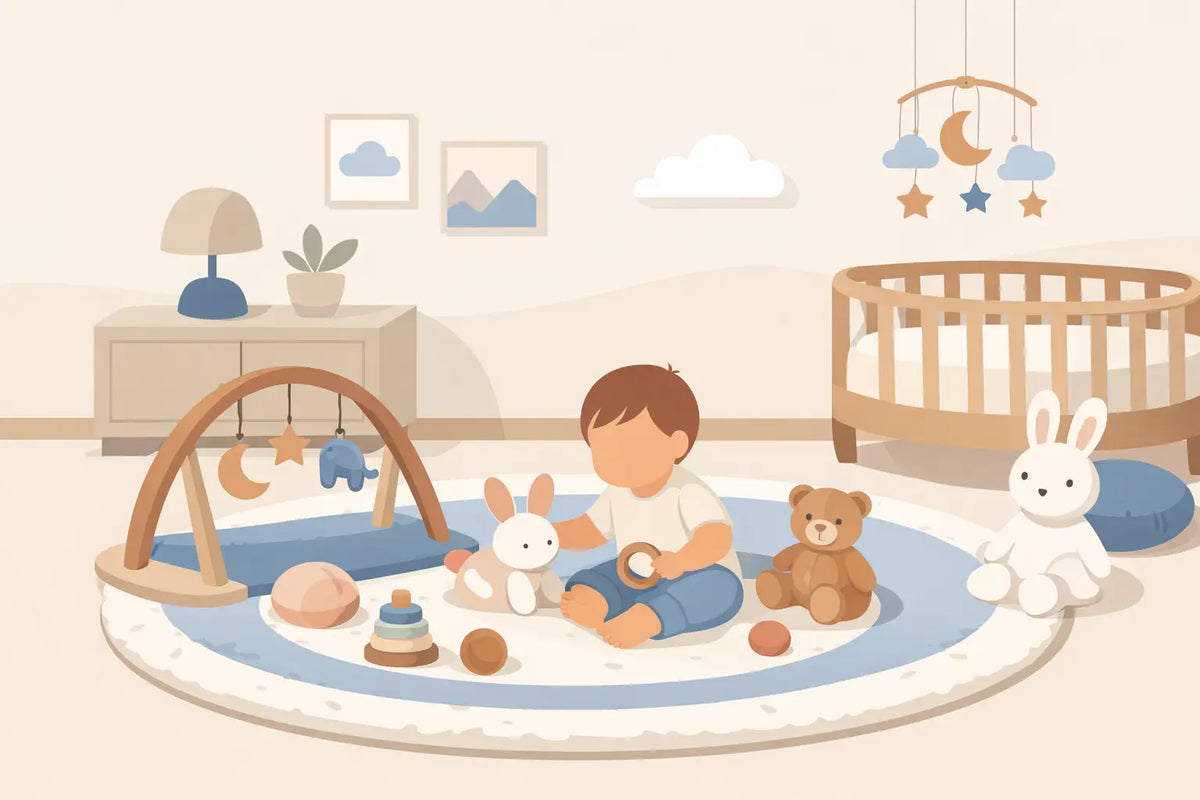
A rug in a child’s room needs to withstand some rough use. It serves as a play mat, reading corner, racetrack, and sometimes a picnic spot all in one. Therefore, choose a soft but low-pile model that is easy to vacuum. Washable rugs are a particularly nice solution here, especially with younger children.
Avoid long fringes if the rug is in a place where a lot of playing happens. They can get tangled in toys or caught under furniture legs more easily. An anti-slip backing also keeps the rug stable when there’s enthusiastic running, building, and dancing.
Hall and entrance: resistant to the busiest feet
The entrance hall often deals with the most dirt: wet shoes, sand, rain, and mud. A runner or small rug with a low, sturdy pile is ideal here. Choose a material that dries quickly and is easy to wipe clean.
A pattern can be a bit bolder in this space. A classic print, a modern geometric design, or a kilim look hides small signs of wear better than a completely plain surface. This way, you maintain a neat first impression, even on a rainy Belgian day.
Material, color, and texture: how to choose smartly
For low-maintenance rugs, polypropylene is often an excellent choice for those who want practical and affordable living. The material is sturdy, feels pleasant, and is suitable for spaces with a lot of activity. Polyester can have a beautiful soft sheen and is popular for modern, comfortable interiors.
Wool is a natural and beautiful material with a rich appearance. It can surprisingly repel dirt well but usually requires a gentler and more specific approach to stains. A hand-knotted or wool carpet is therefore a great choice for a less-used bedroom or sitting area rather than under the dining table of a young family. It’s not a matter of better or worse, but the right rug in the right place.
The texture also determines how much maintenance you will experience. A flat-woven kilim or low-pile design is quick to clean. A thick high-pile carpet feels extra comfortable but traps more dust and requires more thorough vacuuming. Those with allergies often prefer a low-pile, densely woven rug.
Dealing with stains without panic
Acting quickly makes the biggest difference. Gently blot a fresh stain immediately with a clean, dry cloth. Rubbing is less wise because it pushes moisture and dyes deeper into the fibers. Work from the outside of the stain toward the center to prevent it from spreading.
Don’t just use harsh products from the cleaning cupboard. Bleach, strong degreasers, and too much water can damage the color or backing of a rug. Always test a mild cleaning agent first on a small, inconspicuous area. Then follow the carpet’s label, as the right treatment varies by material.
For most everyday stains, this calm approach helps:
- first blot away as much moisture or residue as possible;
- then use a slightly damp cloth with a mild, suitable cleaning agent;
- blot afterward with clean water without soaking the rug;
- let the rug dry completely before putting furniture back on it.
A small routine keeps your rug looking beautiful longer
A low-maintenance rug requires little work, but not no work. Vacuum regularly, preferably without a hard rotating brush on delicate fibers or fringes. In a heavily used living room, once or twice a week is often enough. Occasionally rotate the rug half a turn so sunlight and foot traffic wear the surface more evenly.
Place a good doormat outside and tackle sand or mud before it comes inside. That small difference significantly extends the life of any carpet. For a loose rug, a suitable non-slip underlay not only prevents slipping but also protects the rug’s backing and allows air circulation.
At Omid Carpets, you’ll find a variety of low-pile, washable, and non-slip rugs that fit a warm home where real life happens. Choose a model that suits your taste but also give yourself the convenience of a material and texture that match your daily life.
A rug only truly looks beautiful when you don’t have to constantly walk carefully around it. So feel free to choose softness under your feet, a color that makes your interior shine, and a finish that effortlessly handles a busy day.


Leave a comment
This site is protected by hCaptcha and the hCaptcha Privacy Policy and Terms of Service apply.